
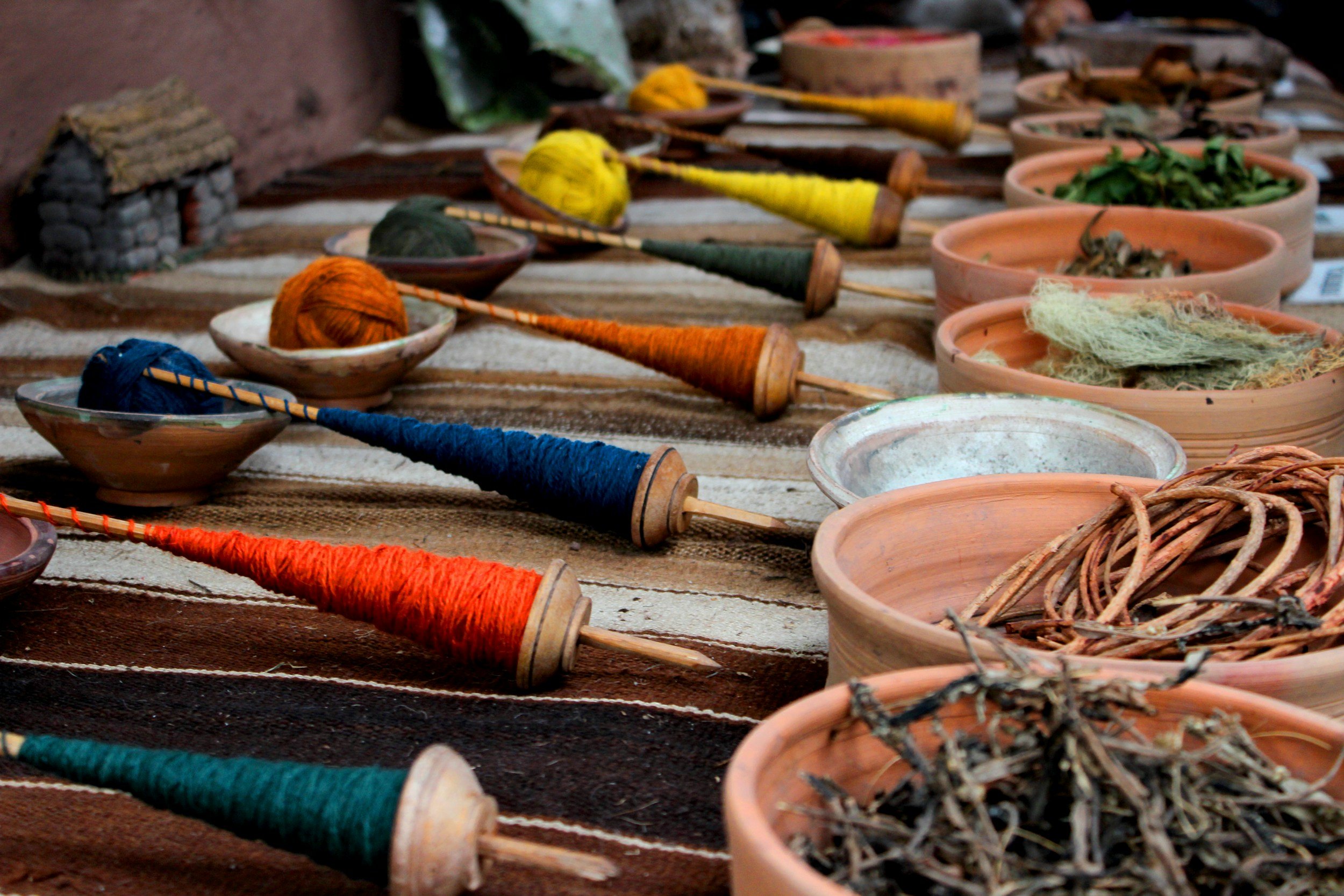
2026 Global Meaningful Travel Summit: Peru
The Tourism Cares Global Meaningful Travel Summit will convene a small, highly curated group of travel industry leaders at a pivotal moment for one of the world’s most iconic destinations.
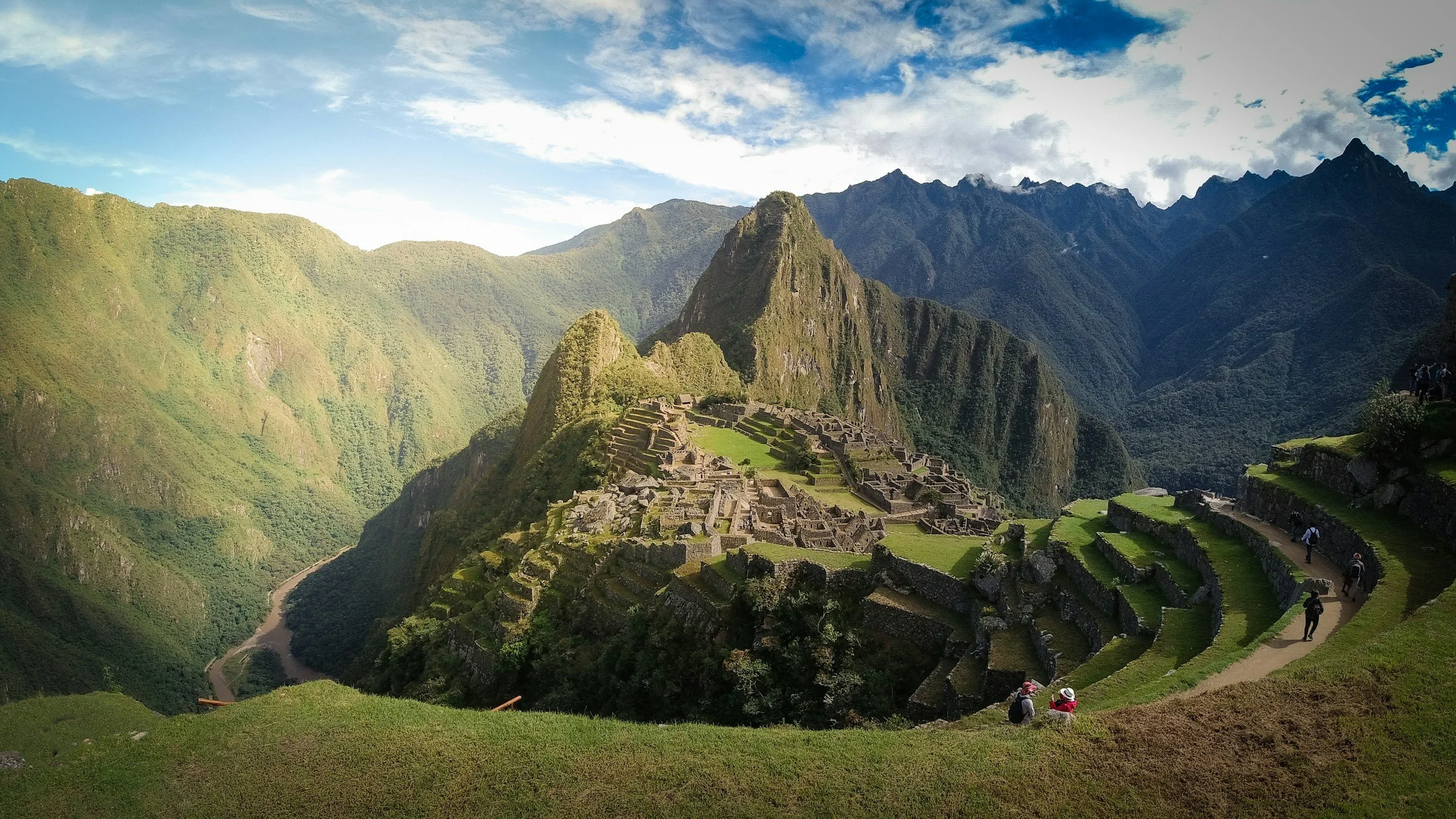
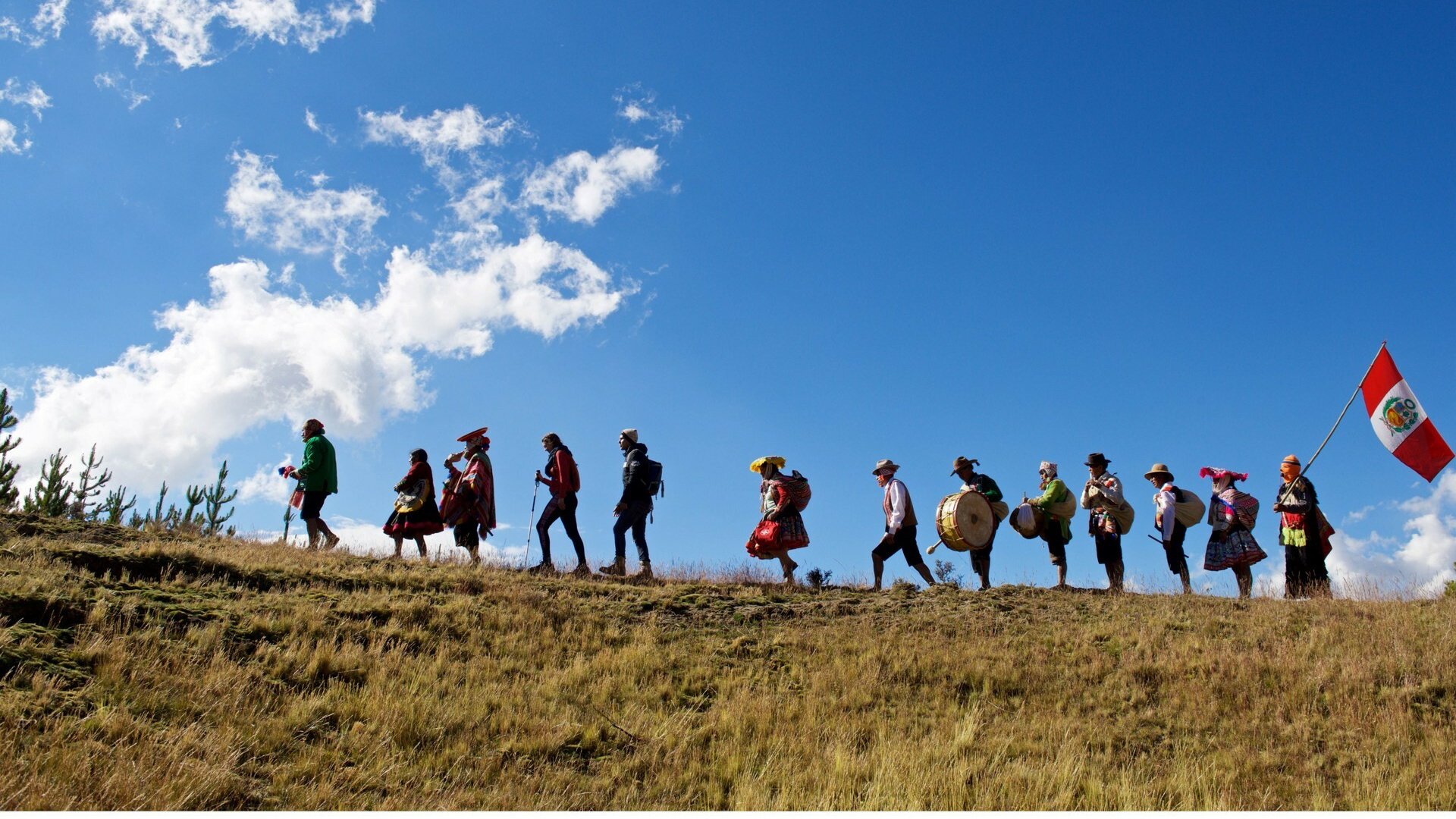
Peru stands at a critical crossroads. As global demand surges and visitation to places like Machu Picchu reaches historic levels, the decisions made today will shape the future of Peru’s communities, cultural heritage, and natural landscapes for generations to come. The Summit is grounded in this reality — exploring how tourism can move beyond volume toward value, and how intentional product development can help protect what makes Peru extraordinary while expanding economic opportunity.
Designed as an invitation-only experience, the Global Summit brings together tour operators, travel advisors, destination partners, and industry stakeholders who share a vested interest in building — or reimagining — meaningful travel in Peru. Participation is limited to ensure deep dialogue, hands-on learning, and meaningful relationship-building. Those interested in attending may express interest via an application form.
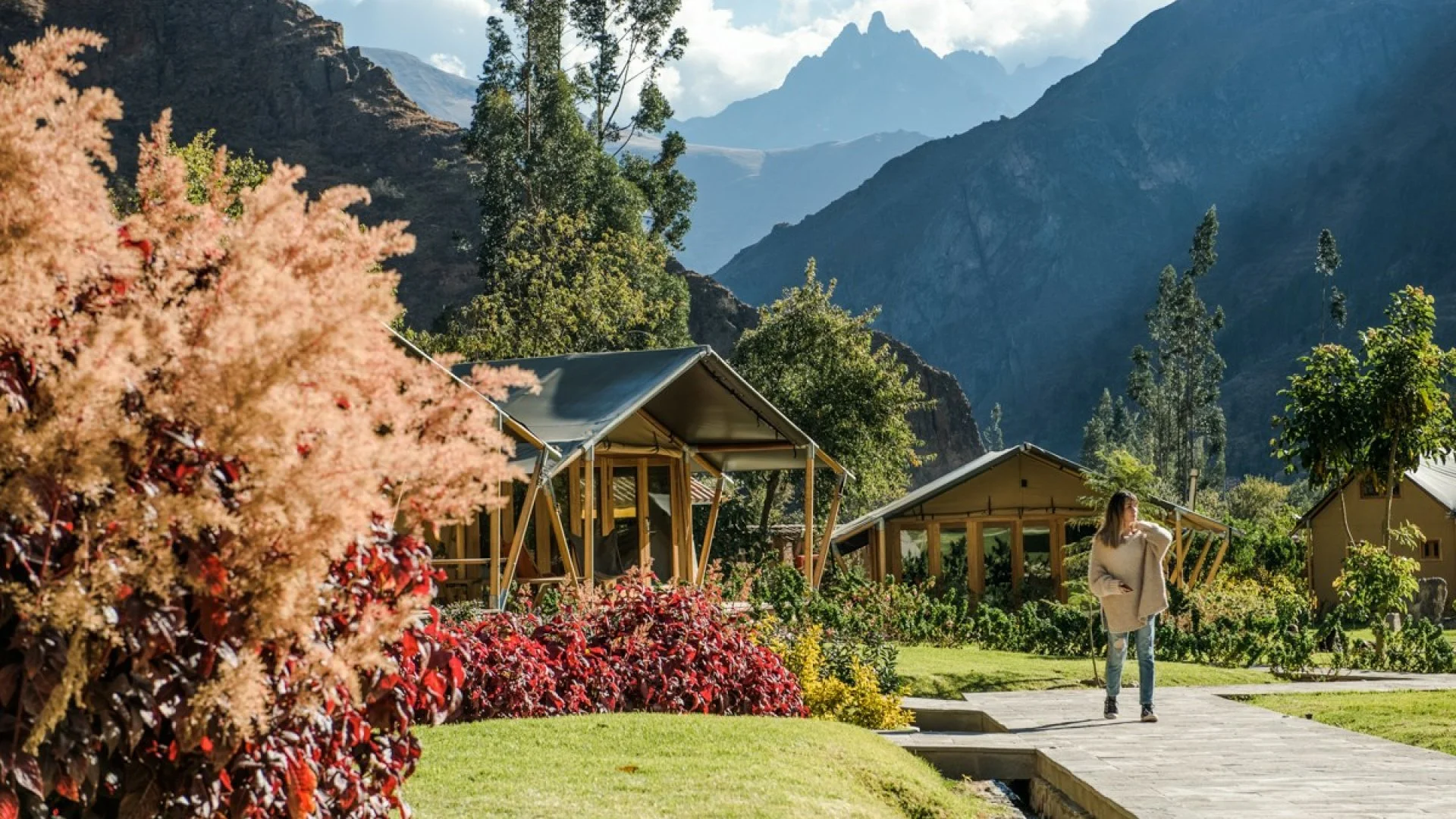
Lima, Cusco and The Sacred Valley | October 17 - 23
Thank You to our Host Destination:

and our Sponsors:




FAQs
-
Many travelers, including visitors from the United States, Canada, the UK, Australia, and most European countries, do not need a visa for short tourist stays in Peru. However, passport requirements and entry rules can change, so travelers should always check with official government sources before departure.
Your passport should generally be valid for at least six months beyond your travel dates.
-
Peru uses the Peruvian Sol (PEN). Credit cards are widely accepted in cities and tourist destinations, but travelers should still carry some cash for small purchases, markets, rural communities, and tipping.
Some hotels, shops, and tourism businesses accept U.S. dollars, but local currency is preferred and often required for smaller purchases.
ATMs are widely available in major cities and tourist areas such as Lima, Cusco, Sacred Valley, and Arequipa. Notify your bank before traveling internationally.
-
Peru is a popular destination for international travelers, but like any destination, visitors should practice common-sense safety precautions:
Avoid displaying valuables
Use trusted transportation providers
Be cautious in crowded areas
Keep copies of important documents
-
Travelers are generally advised not to drink tap water in Peru. Bottled or filtered water is recommended, including for brushing teeth in some areas.
-
Packing depends on where you are traveling and the season, but common essentials include:
Comfortable walking shoes
Layers for changing temperatures
Sun protection
Rain jacket
Reusable water bottle
Insect repellent
Power adapter
-
Some travelers experience altitude symptoms in high-elevation destinations like Cusco and the Sacred Valley. Symptoms can include headaches, fatigue, nausea, or shortness of breath.
To help adjust:
Stay hydrated
Avoid heavy meals and alcohol initially
Rest upon arrival
Consider spending time at lower elevations first
-
Spanish is the primary language spoken in Peru. Indigenous languages such as Quechua and Aymara are also widely spoken in some regions.
-
Tipping is appreciated but not always mandatory. Common guidelines include:
Restaurants: 10% if service is not already included
Guides and drivers: based on service and trip length
Hotel staff: small tips are appreciated
-
Tourism Cares will cover all gratuities associated with the Summit program. You are welcome to individually tip guides, drivers, or other service providers if you would like.
-
Peru’s climate varies significantly by region:
Coastal areas (like Lima): mild and often humid
Andes/highlands (Cusco and the Sacred Valley): cooler temperatures, strong sun and possible rain.
-
Always ask permission before taking photos of people, especially in Indigenous or rural communities. Some individuals may not want to be photographed, while others may request a small fee for posed photos. A respectful conversation goes a long way.
-
Bargaining is common in some markets, but it should remain respectful and fair. Keep in mind that handmade goods often represent significant time, craftsmanship, and cultural heritage. Avoid negotiating aggressively over very small amounts.
-
Many sites in Peru, including Machu Picchu and other archaeological areas, hold deep cultural and spiritual significance. Travelers should follow site rules, avoid climbing on restricted structures, stay on designated paths, and treat these places with care and respect.
-
Directly giving money, candy, or gifts to children is generally discouraged, as it can unintentionally create dependency or disrupt local dynamics. If you want to support communities, consider donating to local organizations, schools, or community initiatives instead.
-
Approach community visits with curiosity, humility, and respect. Remember that you are entering someone’s home and culture, not an attraction. Listen more than you speak, follow local guidance, and seek experiences that are community-led and mutually beneficial.
-
Prior to the Summit, Tourism Cares will create a WhatsApp group chat for all attendees. This will be the primary way to receive important onsite updates, connect with Tourism Cares staff, ask questions, and communicate with fellow attendees throughout the program.
Additional contact information will also be provided for any questions or concerns related specifically to airport transfers.
Meaningful Travel Map of Peru
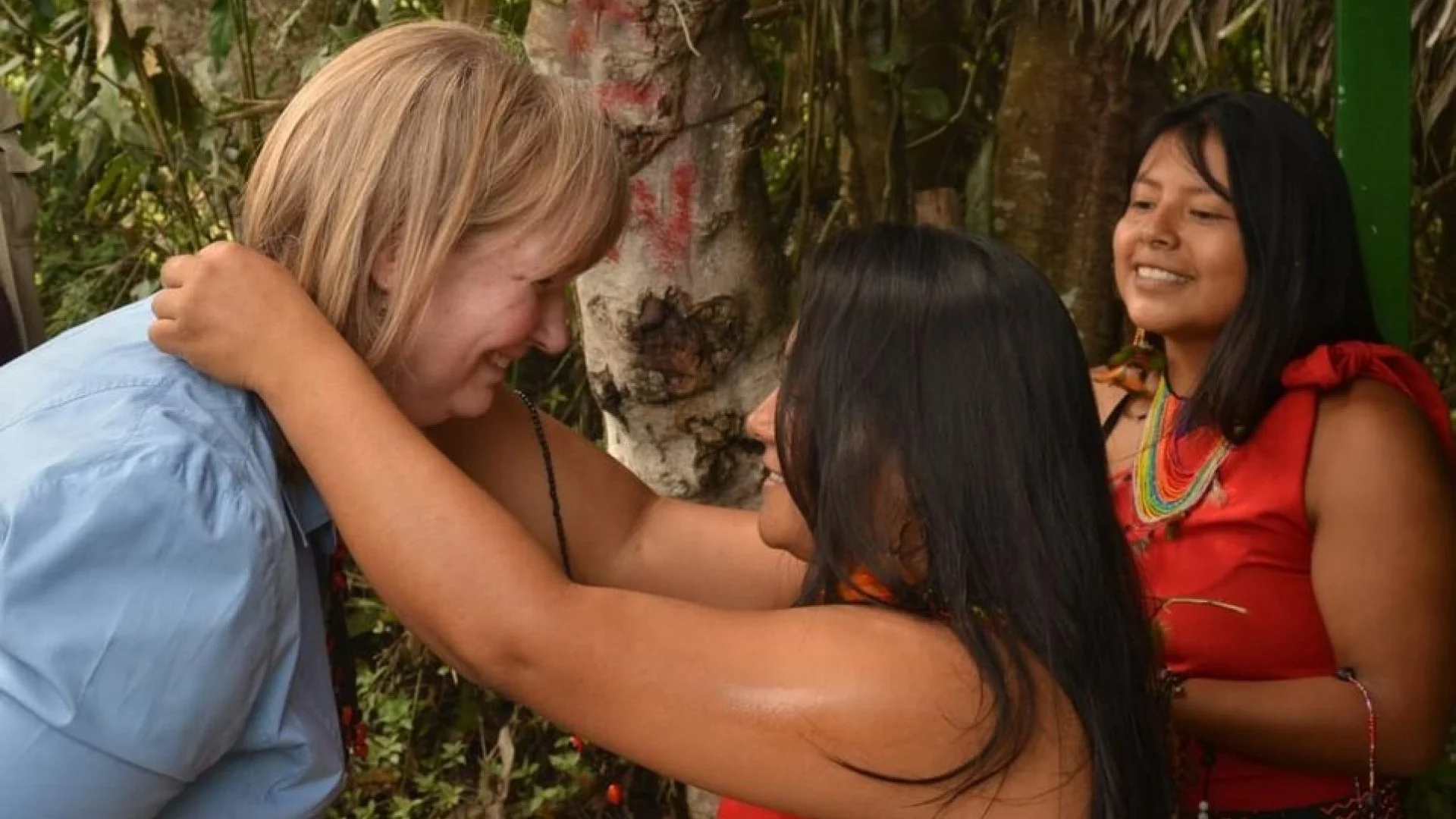
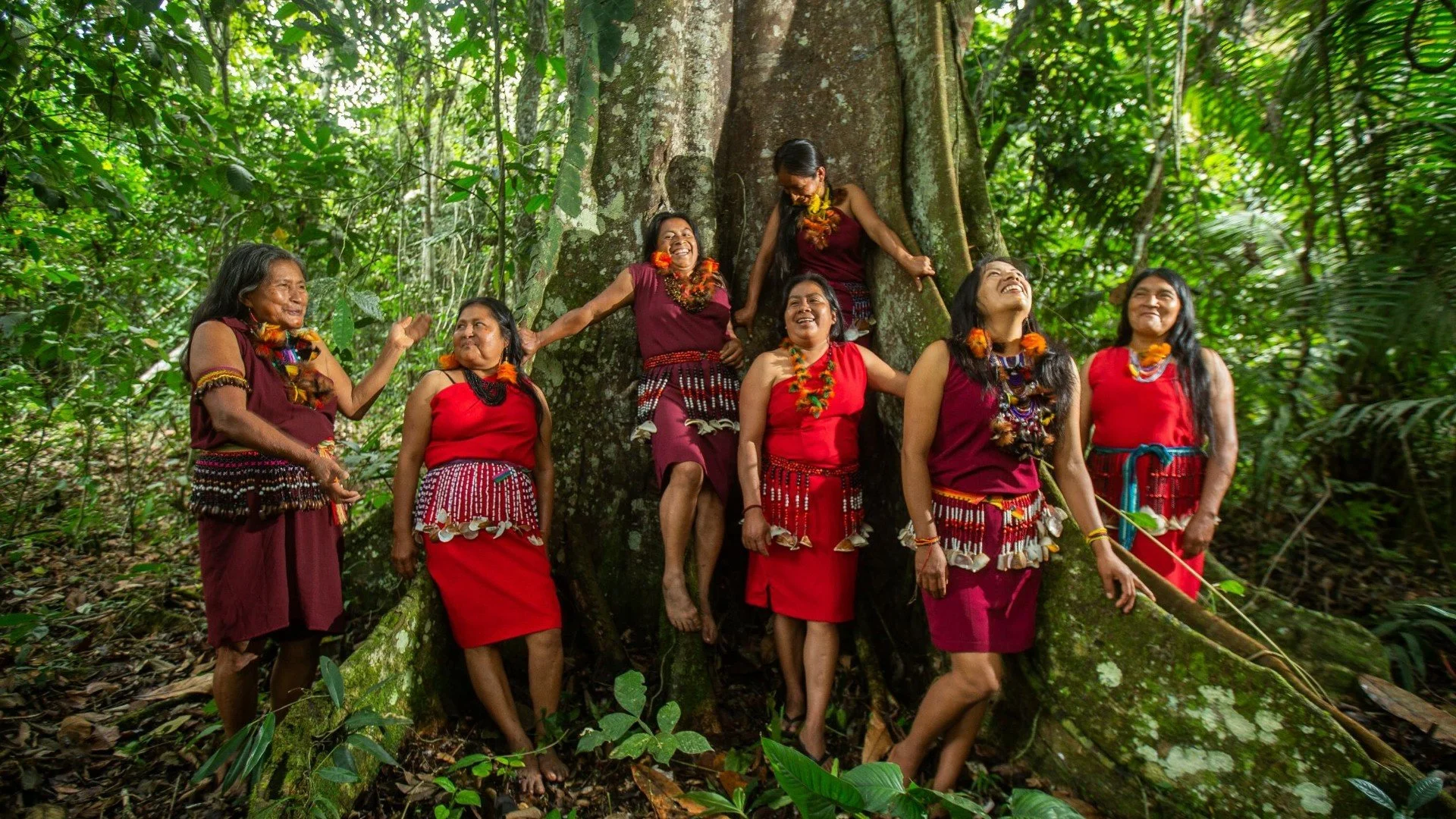
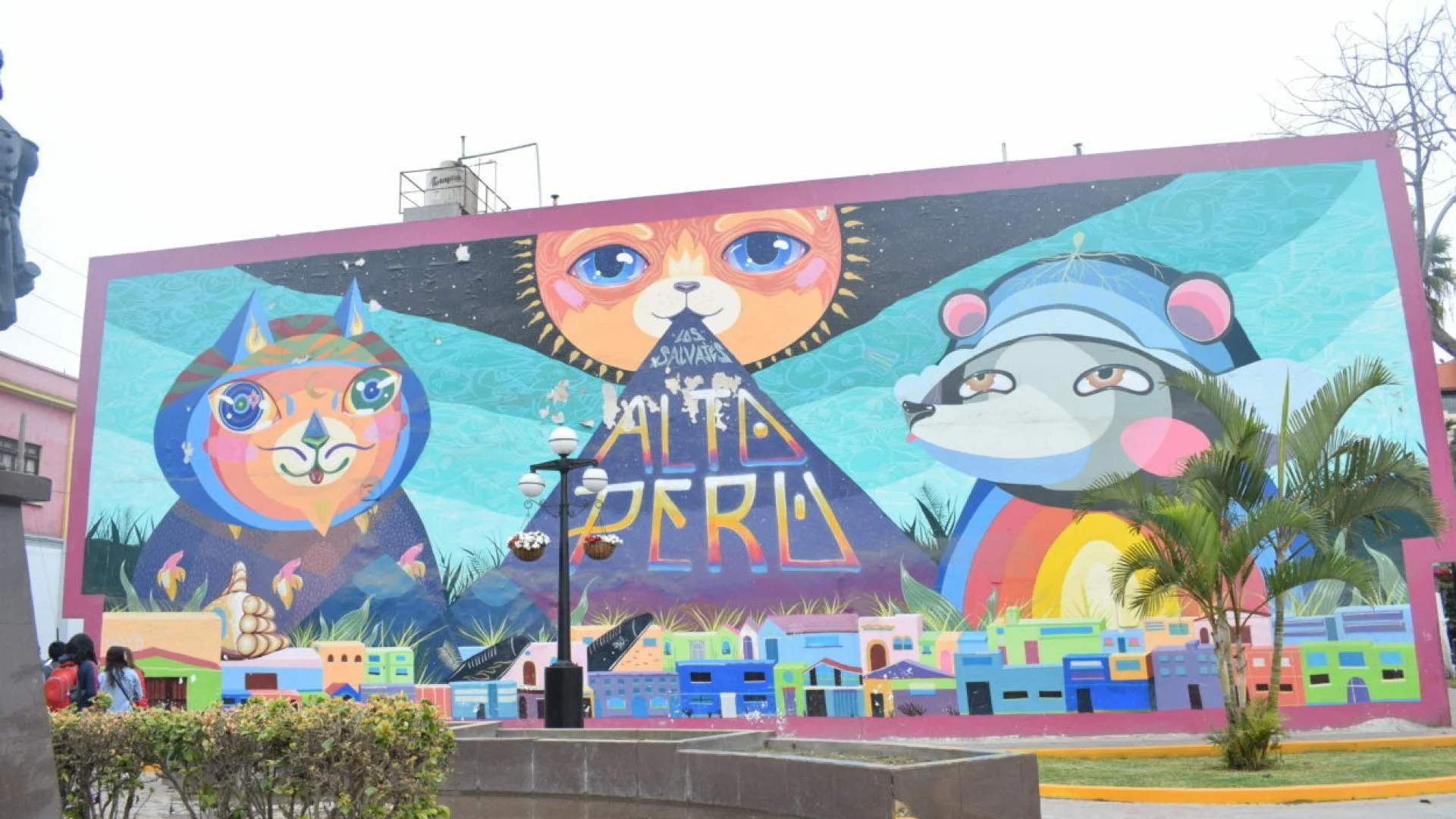
Tailored specifically for product development in Peru, the Summit offers participants an immersive opportunity to learn directly from local changemakers, community partners, and industry peers working on the ground.
While the focus is Peru, the insights, frameworks, and conversations surfaced throughout the week are highly transferable across destinations, making the Summit relevant for anyone engaged in building more responsible, resilient travel experiences anywhere in the world.
Through hands-on workshops, facilitated discussions, and place-based experiences, participants will explore how tourism can be designed to benefit host communities, safeguard cultural and environmental assets, and meet evolving traveler expectations — not just in Peru, but across the global travel industry.
Key Objectives of the Summit include:
Centering Community-Led Development
Exploring how tourism products in Peru can be developed in partnership with local communities, ensuring that economic benefits remain local and that residents play an active role in shaping the visitor experience.Rethinking Iconic Destinations at a Tipping Point
Examining the pressures facing globally recognized sites like Machu Picchu and identifying practical strategies to manage demand, diversify experiences, and support long-term destination resilience.Designing Meaningful Travel Products
Providing hands-on insight into how tour operators, advisors, and destinations can integrate meaningful travel principles into itineraries, partnerships, and sales strategies — with Peru as the case study.Safeguarding Cultural and Natural Assets
Highlighting how conservation, cultural preservation, and regenerative practices can be embedded into tourism models that protect Peru’s landscapes, heritage, and biodiversity.Fostering Cross-Sector Collaboration
Creating space for dialogue and partnership between tour operators, travel advisors, suppliers, NGOs, and destination leaders to support a more aligned, intentional approach to tourism development.Inspiring Industry-Wide Action
Challenging participants to reflect on their role in shaping the future of travel and to leave the Summit with a clear commitment — whether through product changes, partnerships, or advocacy — that contributes to positive impact in Peru and beyond.
The program is helping to further the following Sustainable Development Goals:


SPOTLIGHT: THE PEOPLE + PLACES OF TOURISM CARES
Squamish Lil’wat Cultural Centre | Tourism Cares Grantee
Squamish Lil’wat Cultural Centre was provided support on behalf of Globus Family of Brands to support ongoing mentorship, build capacity and foster resiliency for Indigenous community members through meaningful employment. The grant funds will also be used to develop a new guided tour called ANCIENT MEDICINES, enriching and connecting the cultural identity of the Indigenous Youth Ambassadors and Cultural Ambassadors the Centre works with.