
How Tourism Cares and Boldest are using technology to connect the travel industry with communities and help build a more sustainable future for tourism.
What if meaningful travel wasn't something travelers had to seek out, but something naturally integrated into the journeys they take?
For years, the travel industry has been talking about the importance of sustainable tourism, community engagement, and ensuring that tourism creates positive impacts for destinations. And while progress has been made, one of the biggest challenges remains: How do we turn those conversations into action?
Across the world, thousands of local businesses, social enterprises, nonprofits, and community-led organizations are offering experiences that connect travelers more deeply with the places they visit. These organizations contribute to local economies, preserve cultural heritage, protect natural environments, and offer travelers something increasingly valuable: genuine connections with the people and places behind a destination.
Yet many remain largely invisible within the traditional tourism supply chain.
They may lack the marketing budgets, industry relationships, technology, or resources needed to reach tour operators, travel advisors, and travelers. And for travel companies looking to build more meaningful itineraries, identifying and connecting with these organizations isn't always easy.
The challenge isn't necessarily a lack of meaningful experiences. It's making those experiences more accessible to the industry.
Connecting the Dots
That's the thinking behind the Meaningful Travel Map, a Tourism Cares initiative designed to help bridge the gap between community-led experiences and the travel industry.

Through a growing global network of destinations and impact partners, the Map helps travel professionals discover organizations that are creating positive social, environmental, and economic impacts in their communities.
But the goal has never been simply to put more pins on a map.
It's about reducing barriers to entry for smaller organizations, creating opportunities for local businesses to participate in the tourism economy, and giving destinations and travel companies practical tools to connect visitors with experiences that benefit local communities.
It's also about changing how we position destinations.
Rather than defining a place solely by its most recognizable attractions, destinations have an opportunity to showcase the people, neighborhoods, businesses, and cultural traditions that make them unique. By bringing greater visibility to these experiences, we can encourage travelers to explore beyond traditional tourism corridors, support local economies, and develop a deeper understanding of the places they visit.
The Role of Technology in Creating Connections
Making these connections possible at scale requires collaboration and the right tools.
That's where our partnership with Boldest comes in.
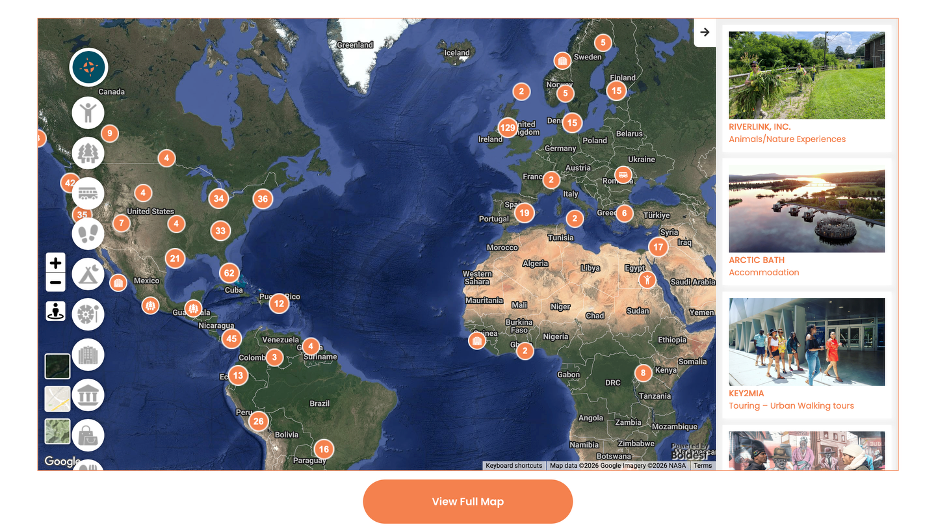
As the technology partner behind the Meaningful Travel Map, Boldest helps Tourism Cares transform a growing network of impact partners into interactive, accessible resources that destinations, tour operators, travel advisors, and travelers can explore and use.
Together, we've developed more than 50 maps highlighting meaningful travel experiences around the world, helping make community-led organizations more visible and easier to incorporate into destination marketing, travel planning, and itinerary development.
Importantly, these maps aren't meant to exist in isolation. They can be integrated into destination websites, shared through marketing campaigns, and used by travel companies to identify new experiences and partners.
Because discovery is only the first step. The real opportunity comes when that discovery leads to relationships, partnerships, and ultimately, more tourism dollars reaching local communities.
Technology as a Tool for a More Sustainable Future
As the travel industry looks toward the future, technology has an increasingly important role to play in helping turn sustainability goals into everyday business practices.
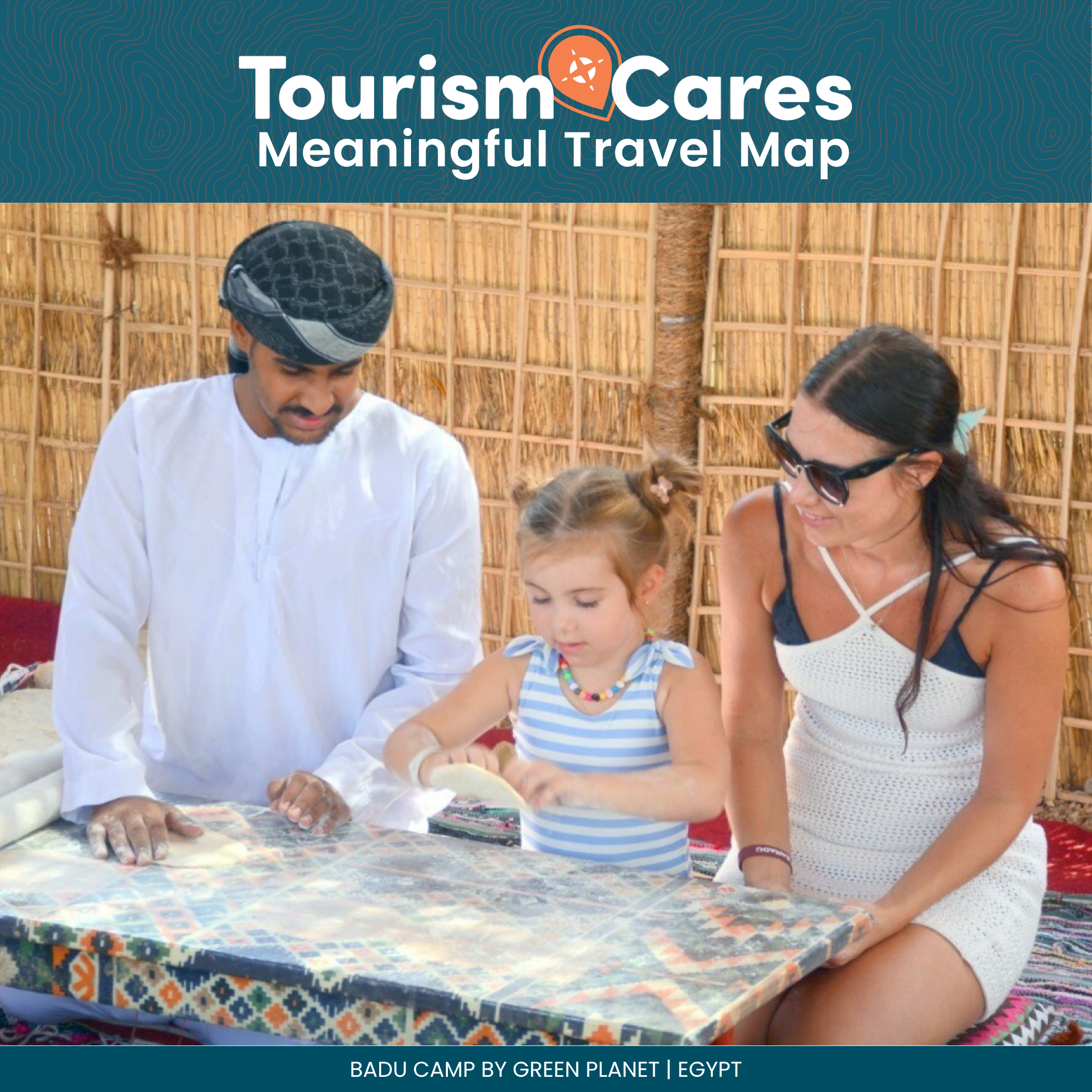
Digital tools can help destinations better understand visitor behavior, identify opportunities to disperse travelers beyond traditional tourism corridors, and connect smaller, locally owned businesses with a broader audience. For tour operators and travel advisors, technology can make it easier to discover new suppliers, build more locally connected itineraries, and make informed decisions about where and how they direct traveler spending.
And perhaps most importantly, technology can help address some of the barriers that have historically prevented smaller organizations from participating more fully in the tourism economy.
But technology isn't a solution on its own. Its value depends on how thoughtfully it's developed, who has access to it, and whether it responds to the actual needs of destinations and local communities.
As new technologies, including artificial intelligence, continue to reshape how travelers discover, plan, and experience destinations, we have an opportunity to be more intentional about how these tools are used.
The question isn't simply how technology can make travel more efficient, but how it can help make tourism more inclusive, accessible, and beneficial for the people and places that make it possible.
Making Meaningful Travel the Default
Perhaps the bigger opportunity is to change how we think about meaningful and sustainable travel altogether.
For too long, experiences that support communities, celebrate local cultures, or contribute to environmental conservation have often been positioned as a separate category of tourism, something travelers must specifically seek out or request.
But why should they be?
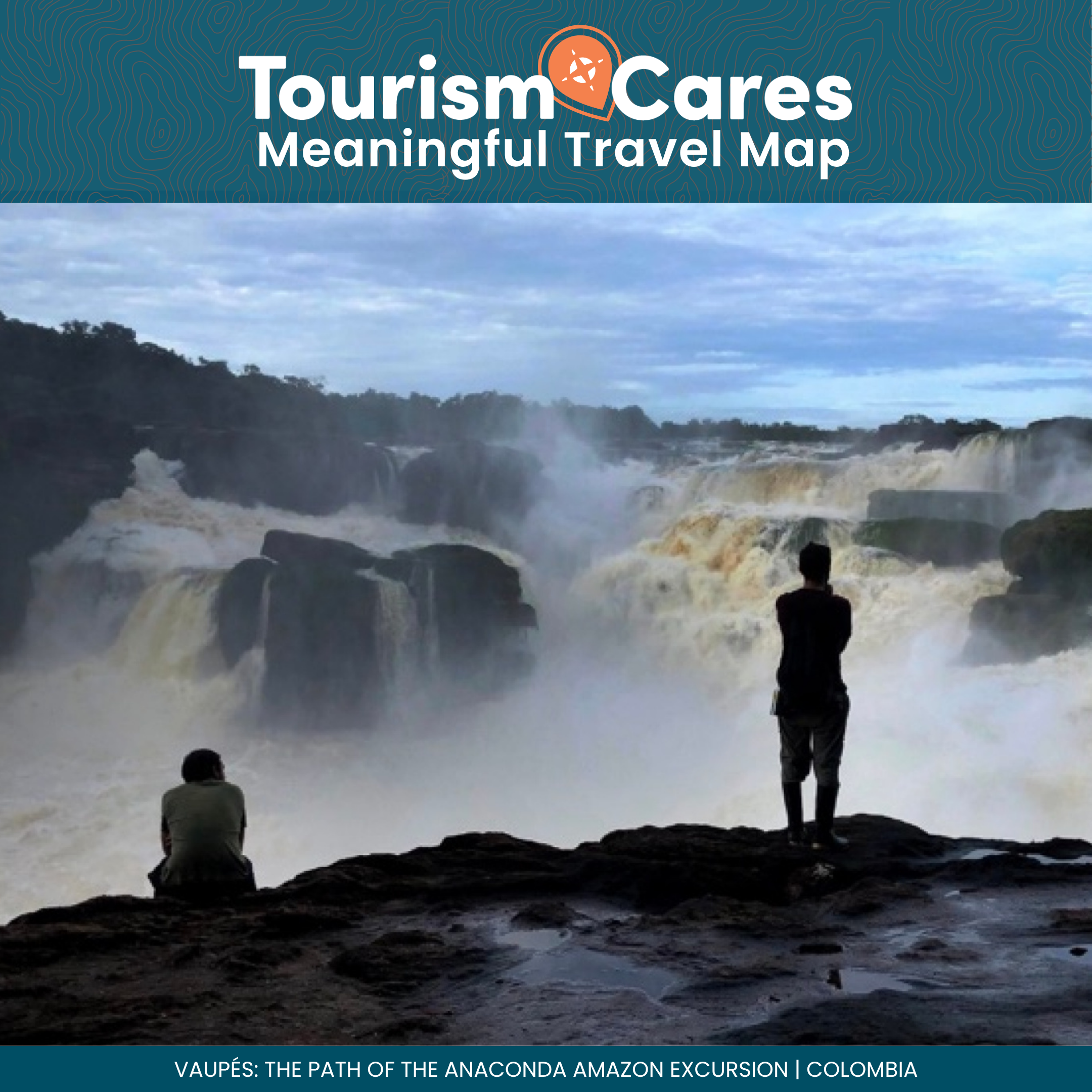
A visit to a locally owned business, a cultural experience led by community members, or an excursion that contributes to conservation shouldn't have to be labeled as an alternative to traditional travel. These experiences can, and should, be a natural part of how we explore the world.
Getting there requires more than good intentions. It requires destinations to elevate local voices, tour operators to integrate community-led experiences into their itineraries, and the broader industry to rethink how tourism opportunities are shared.
Technology alone won't solve these challenges. But when paired with collaboration, education, and a commitment to community impact, it can help make meaningful progress possible.
We're not trying to create a separate market for meaningful travel. We're working to make the existing travel industry more meaningful.
And through partnerships like the one we've built with Boldest, we're helping make that vision more tangible, one destination, one connection, and one experience at a time.
» Continue the Conversation: Technology and Sustainability in Tourism
How can technology help the travel industry put sustainability into practice?
Join Tourism Cares for an upcoming webinar exploring the intersection of technology and sustainability, and how innovation can help destinations and travel companies address real-world challenges, create opportunities for local communities, and build a more responsible future for tourism.