
From Values to Action: What Meaningful Leadership Looks Like in Travel
Across the travel industry, values are everywhere.
Community. Stewardship. Sustainability. Responsibility. Purpose.
They appear in mission statements, annual reports, and company websites. They shape how organizations describe themselves to travelers, partners, and employees alike.
But having values and operationalizing them are two very different things.
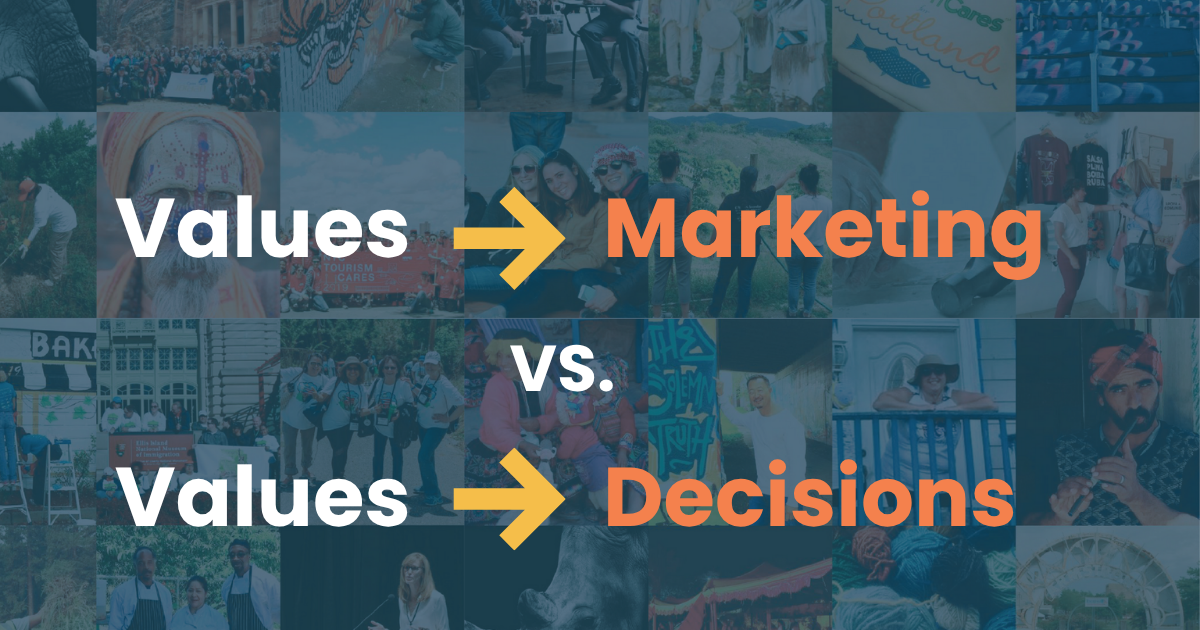
The reality is that many organizations genuinely want to create positive impact through travel. They want to support destinations, uplift communities, care for the environment, and build healthier workplaces. The challenge is not usually intention — it’s figuring out how to move from aspiration to action.
Because when values stay abstract, they often become marketing language.
When they are operationalized, they influence real decisions.
Who you partner with.
What products you develop.
What stories you tell.
Where tourism dollars flow.
What experiences get elevated.
That’s where values begin to shape the future of travel.
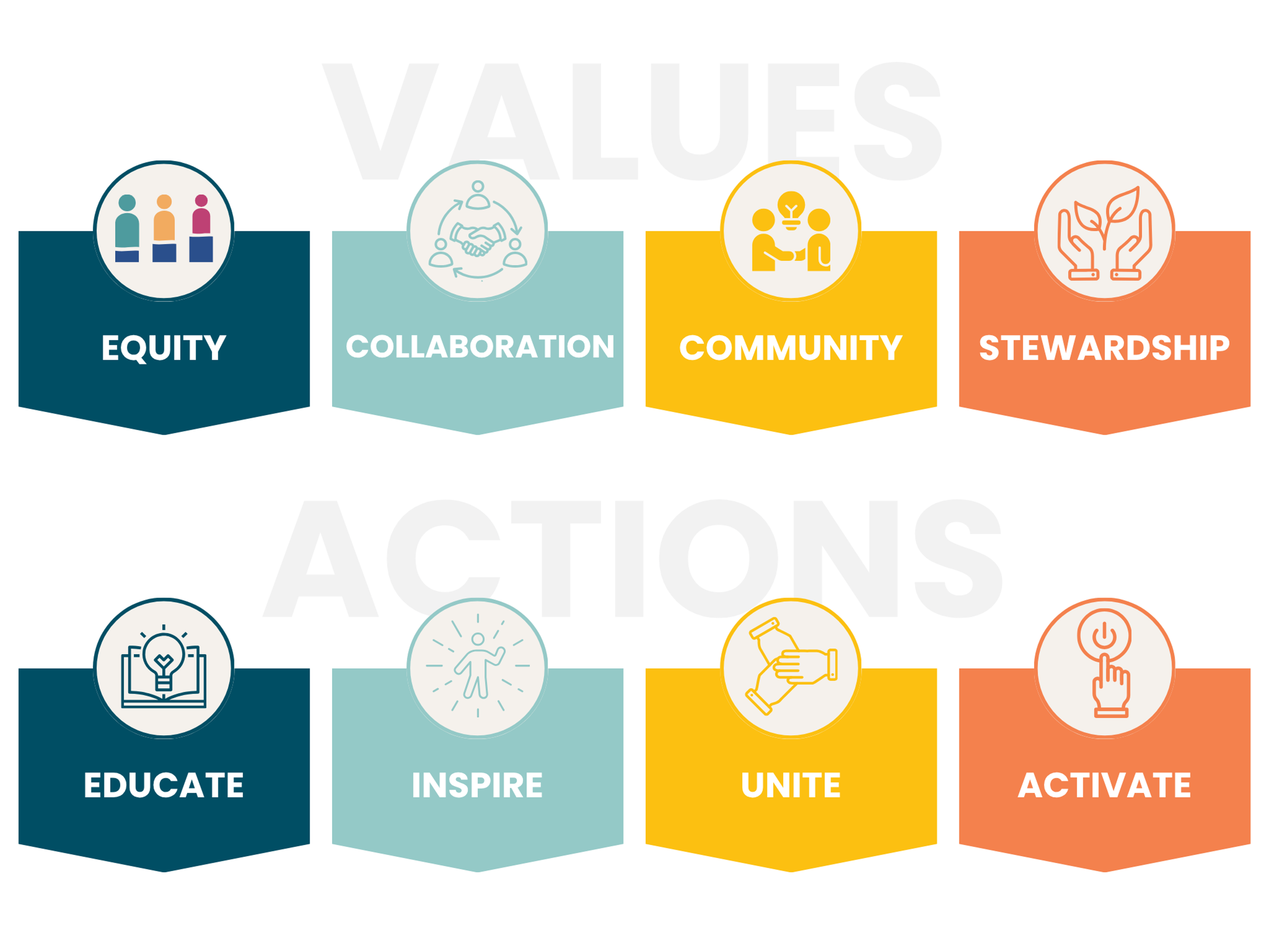
And while this work can feel overwhelming, operationalizing values does not require one massive initiative or perfect strategy. More often, it happens through a series of intentional business decisions made consistently over time.
Here are three ways organizations — and individuals at any level — can begin putting values into action.
1. Start Making Values Part of Everyday Decisions
One of the biggest reasons organizations struggle to operationalize values is because sustainability and responsibility often live in strategy documents instead of day-to-day operations.
The shift happens when values begin influencing routine business choices.
That could mean:
Choosing local suppliers or community-based experiences
Prioritizing accessibility in product design
Evaluating partnerships through a values lens
Considering long-term destination impact alongside short-term revenue
Telling stories that educate travelers, not just sell to them
This work does not have to start big.
Take Patagonia. The company’s commitment to environmental stewardship is not just reflected in marketing campaigns — it is embedded into business operations through programs like gear repair and recycling initiatives designed to extend product life and reduce waste. In an industry driven by constant consumption, Patagonia made a different choice. And in doing so, built deep trust and loyalty with consumers.
Values become meaningful when they influence decisions, not just messaging.
2. Build Purpose Into the Experience
Operationalized values are often most visible in how organizations design experiences for travelers.
A powerful example comes from Asheville Free Walking Tours. At first glance, it is a walking tour company like many others. But accessibility and equity are central to the organization’s values, which led them to create a pay-what-you-can model designed to reduce barriers and make local storytelling accessible to everyone.
That decision reflects more than pricing strategy. It reflects a belief about who travel experiences should be for.
And interestingly, purpose can become a differentiator. Travelers increasingly choose businesses not only because of what they offer, but because of what they stand for. Companies that clearly align actions with values often build stronger trust, stronger reputations, and deeper loyalty over time.
The lesson is not that every business needs the same model. It is that every organization can ask:
What do we value most?
Where do those values show up in the traveler experience?
What choices reinforce those beliefs?
3. Recognize That Leadership Happens at Every Level
While leadership teams play an important role in setting direction, operationalizing values cannot live solely at the executive level.
Some of the most meaningful change in organizations comes from individuals who simply start asking better questions.
Questions like:
Who benefits from this decision?
Are we considering community impact?
Is there a more inclusive or responsible option?
Do our actions align with what we say we value?
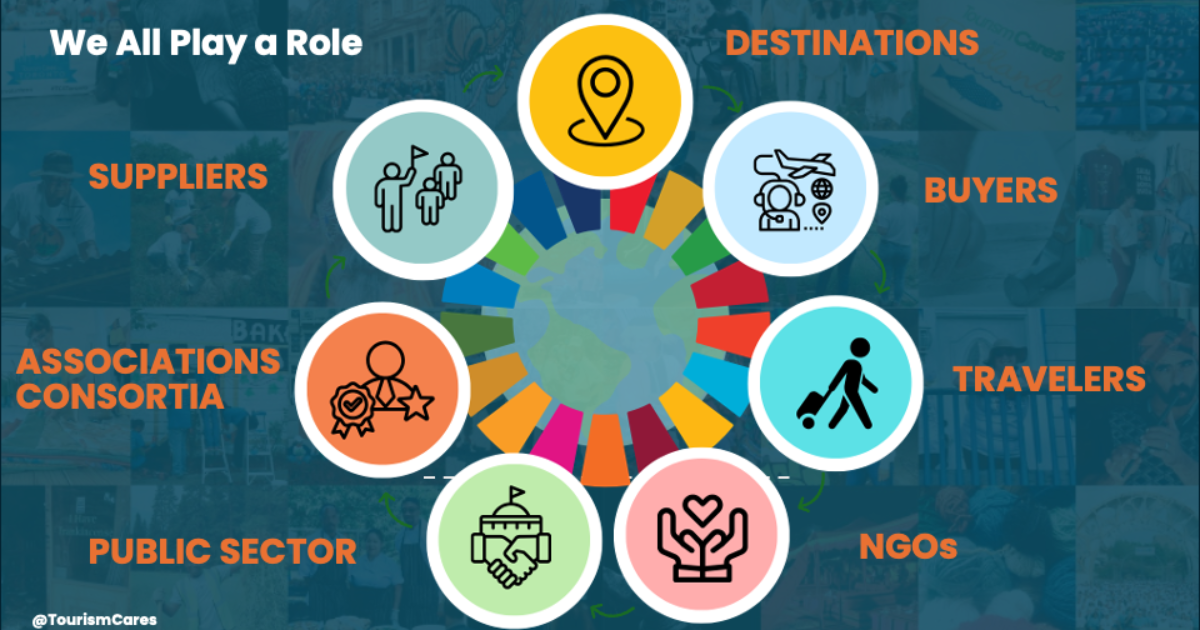
People across every department have influence:
Product developers shape itineraries and experiences
Marketing teams shape traveler expectations and storytelling
Sales teams influence customer conversations
Operations teams influence sourcing and logistics
Frontline staff shape traveler behavior and awareness
You do not need to hold a leadership title to champion better practices. Often, culture shifts begin when individuals consistently bring values into everyday conversations and decisions.
The Future of Travel Depends on This Work
This conversation is bigger than sustainability trends or corporate responsibility initiatives.
It is about the long-term health of the places we all depend on as an industry.
Resilient destinations.
Stronger communities.
Healthier tourism ecosystems.
More thoughtful traveler experiences.
Across the travel industry, there is growing willingness to do this work. Organizations want clearer pathways, better partnerships, and practical examples of what meaningful action looks like.
Because operationalizing values is not about perfection.
It is about intention.
And ultimately, it is about building a travel industry where the choices we make every day reflect the future we want travel to create.
Additional Resources: