
For many travelers, Peru begins with a bucket list. Machupicchu. The Sacred Valley. Lake Titicaca. The Amazon.
But one of Peru's most compelling tourism stories isn't found at a single iconic attraction. It's happening across the country, where communities, tourism businesses, government, and nonprofit organizations are working together to build a tourism model that creates long-term benefits for people, culture, and nature.
As Tourism Cares prepares to bring travel professionals together for our Global Meaningful Travel Summit in Peru, we see the destination as more than a place to visit. We see it as a case study in what meaningful travel can look like when communities are at the center of tourism development.
The lessons extend far beyond Peru. They offer valuable insights for destinations, tour operators, travel advisors, and anyone working to build a tourism industry that benefits both travelers and host communities.
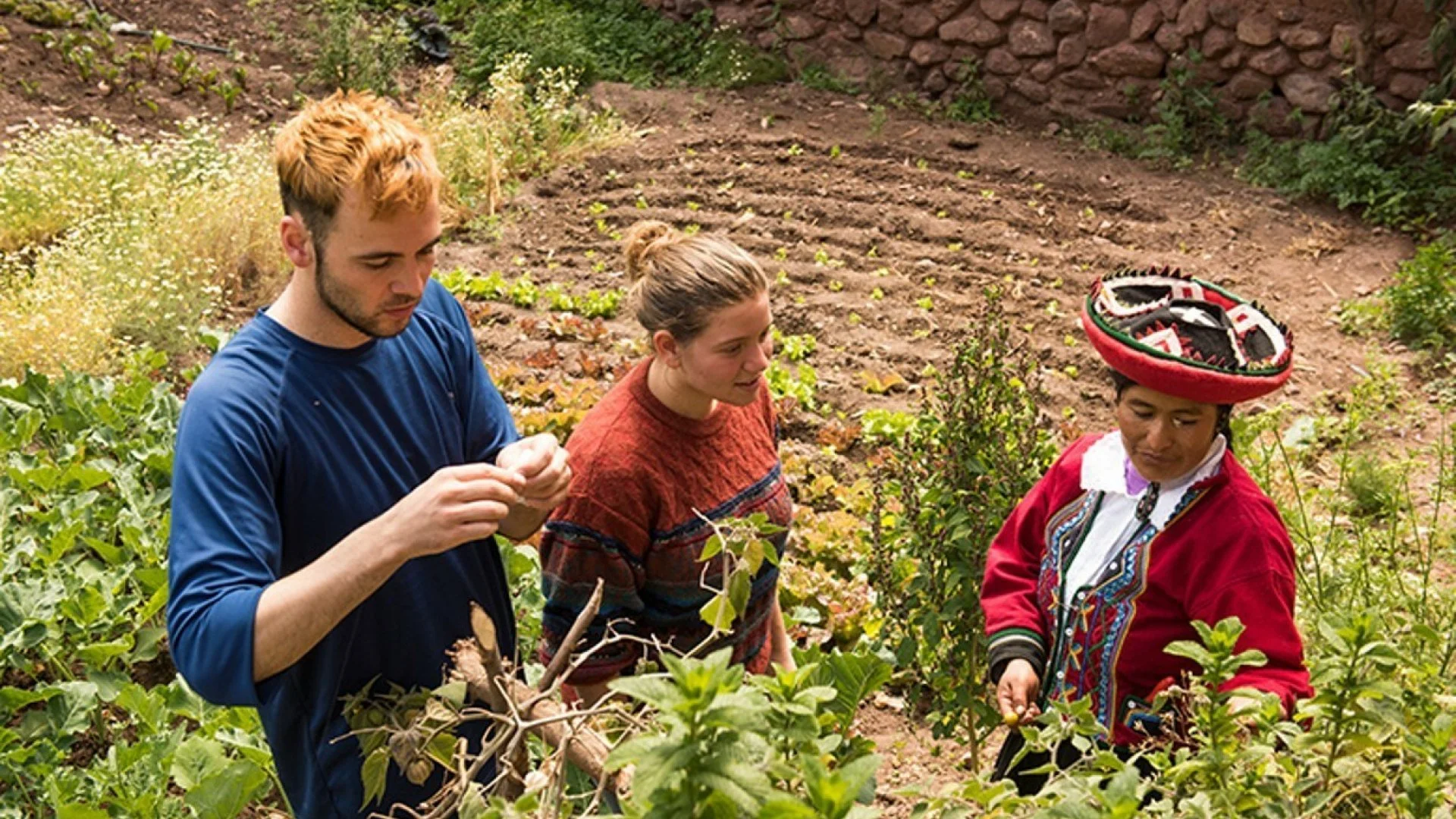
Tierra de los Yachaqs: Tierra de los Yachaqs connects travelers with Indigenous families in Peru's Sacred Valley through authentic cultural experiences, preserving ancestral traditions while creating sustainable income for local communities.
Tourism Doesn't Happen to Communities. It Happens With Them.
Community-based tourism is often described as an opportunity for travelers to experience local culture. While that's certainly part of the story, the real work happens long before a visitor arrives.
Successful community tourism is built on local ownership. Communities determine how they want to participate in tourism, what traditions and stories they choose to share, how tourism supports local priorities, and what growth looks like on their own terms.
Across Peru, this approach is taking shape in many different ways. Indigenous communities share generations of environmental knowledge in the Amazon. Andean families preserve traditional weaving and agricultural practices. Rural communities welcome visitors into daily life through food, crafts, and cultural exchange. These experiences are not performances created for tourists. They are living traditions, shared with intention and pride.
When communities help shape tourism, visitors gain a richer understanding of place while local people retain ownership of their culture, heritage, and future.
Community Tourism Requires More Than Good Intentions
One of the biggest misconceptions about community-based tourism is that it simply means opening a village or local business to visitors.
In reality, bringing community experiences into the international travel market requires thoughtful planning, long-term investment, and collaboration.
Communities are the experts in their own culture, traditions, and aspirations. As tourism grows, they should remain at the center of decision-making, shaping experiences that reflect their priorities and long-term vision.
The role of destinations, governments, nonprofits, tourism businesses, and the travel trade is not to define that vision, but to help create the conditions for it to succeed. That may include supporting product development, market access, visitor readiness, storytelling, marketing, or building connections to responsible buyers, always in ways that strengthen community goals rather than reshape them.
When communities lead and the broader tourism ecosystem works alongside them, tourism becomes a tool that supports local livelihoods, protects cultural and natural heritage, and creates more meaningful experiences for everyone involved.
The Travel Trade Has an Important Role to Play
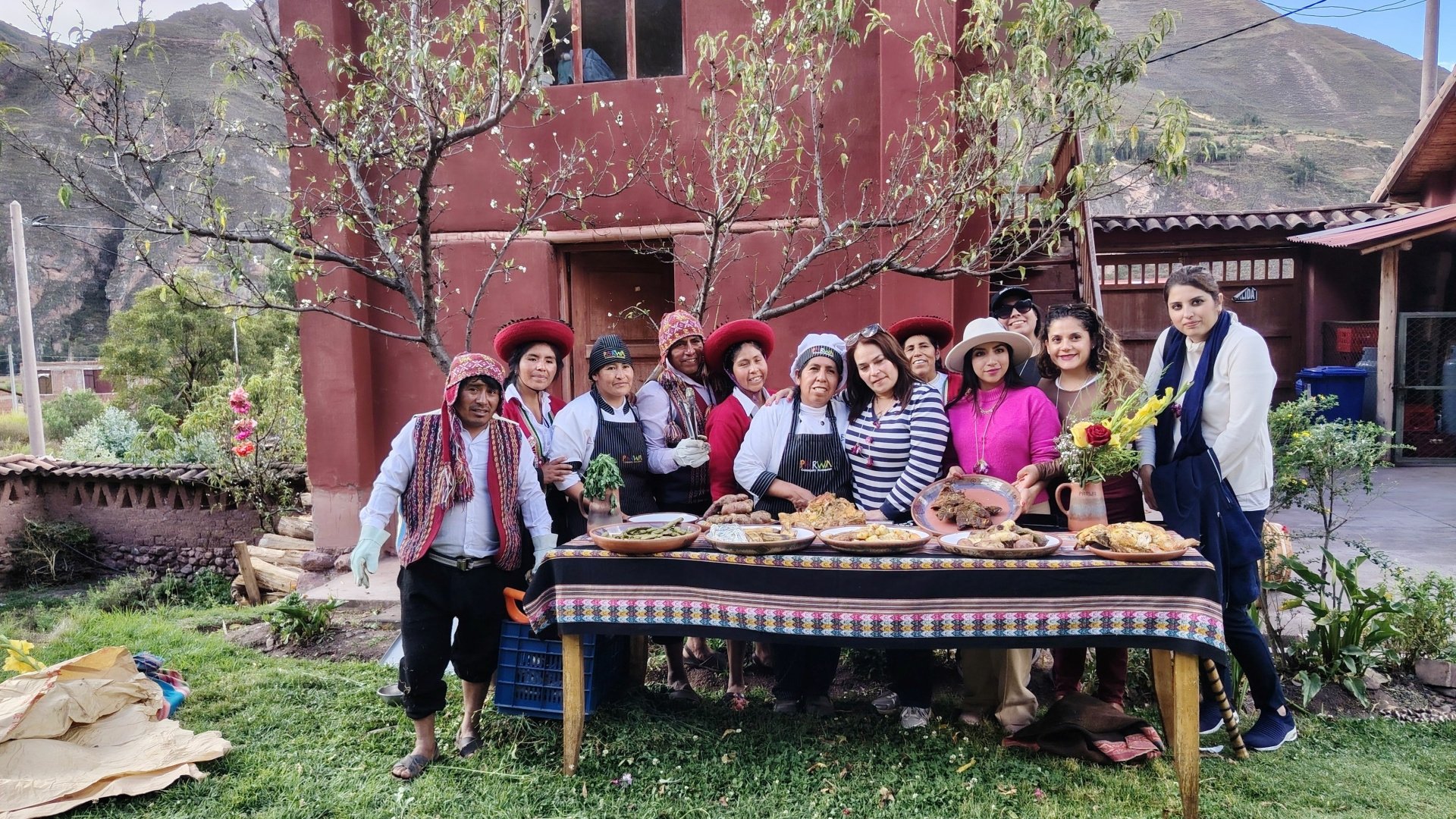
Parwa Community Restaurant & Experiences: Parwa Community Restaurant & Experiences invites travelers into the heart of the Sacred Valley through locally prepared cuisine and cultural exchanges that directly support community livelihoods and preserve Andean traditions.
For tour operators and travel advisors, building more meaningful itineraries isn't simply about finding community experiences to add to a product.
It's about asking better questions.
Instead of asking, “What community experiences are available?” consider asking:
How is this community involved in shaping the visitor experience?
How does tourism contribute to local priorities and livelihoods?
What expectations should travelers understand before they arrive?
How can itineraries create enough time for genuine connection, rather than simply adding another stop?
What does success look like from the community's perspective?
The answers may lead to smaller group sizes, longer stays, more flexible itineraries, or greater investment in local businesses. They may also require preparing travelers to arrive with curiosity, respect, and an understanding that they are guests in someone else's home.
Meaningful travel begins long before departure. It starts with the choices made during product development and itinerary design.
Peru in Practice: Community-Centered Tourism on the Meaningful Travel Map
These principles are already being put into practice by organizations featured on the Tourism Cares Meaningful Travel Map, which connects travel professionals with vetted experiences that support local communities while protecting cultural and environmental assets.
Across Peru, Impact Partners demonstrate what community-centered tourism looks like in action.
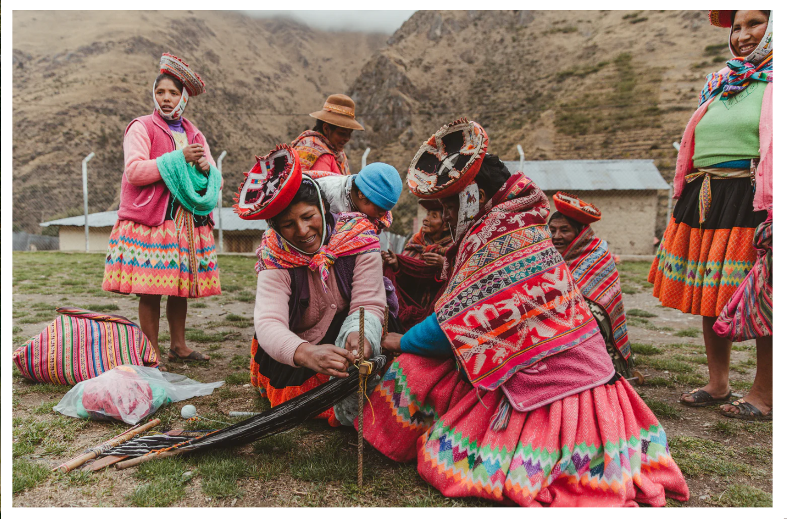
Awamaki: Awamaki partners with Indigenous women in Peru's Sacred Valley to preserve traditional weaving techniques while creating sustainable economic opportunities through community-based tourism and artisan enterprises.
Organizations like Awamaki work alongside Indigenous women in the Sacred Valley to preserve traditional textile techniques while creating sustainable economic opportunities through tourism and artisan enterprises. Rather than treating weaving as a demonstration, visitors gain an appreciation for the cultural knowledge, craftsmanship, and livelihoods behind every piece.
Throughout the country, the Meaningful Travel Map also features community-led tourism experiences that connect visitors with Amazonian conservation initiatives, rural farming communities, Indigenous knowledge keepers, culinary traditions, and locally owned enterprises. Together, they illustrate an important principle: meaningful travel is rarely defined by a single attraction. It is created through relationships with the people who call these places home.
A Shared Responsibility
Peru reminds us that meaningful tourism is not a product that can simply be packaged and sold.
It is a collaborative process.
Destinations create the conditions for tourism to benefit communities. Communities share their knowledge, culture, and aspirations. Tour operators build products that respect local priorities. Travel advisors help prepare visitors before they arrive. Travelers, in turn, have the opportunity to engage with places thoughtfully and leave with a deeper understanding of the people and stories behind every destination.
When these pieces come together, tourism becomes something much larger than a vacation. It becomes a tool for strengthening communities, protecting cultural and natural heritage, and creating experiences that are more meaningful for everyone involved.
That is the opportunity Peru is demonstrating today. It is also the opportunity facing destinations around the world.
Learn More
Tourism Cares' Global Meaningful Travel Summit in Peru will bring together destinations, tour operators, travel advisors, local organizations, and community leaders to explore these ideas firsthand. Through site visits, peer learning, and direct engagement with local partners, participants will examine how meaningful travel principles can be integrated into product development, destination stewardship, and long-term partnerships.
You can also explore Peru's vetted community-led experiences, conservation organizations, and local enterprises on the Meaningful Travel Map, and discover partners that can help build more meaningful itineraries throughout the country.
Special thank you to PROMPERÚ for their support of the Meaningful Travel Summit and the work they are doing to advance sustainable travel country-wide.