
Colombia is experiencing a historic tourism boom, generating a record US$11.2 billion in 2025 and welcoming more than 23 million international visitors since 2022. Recognized globally as a must-visit destination, the country has shown how tourism expands opportunity, strengthens communities, and creates new futures.
Colombia is home to nearly 10% of the planet's biodiversity across more than 300 ecosystems. It ranks first in the world in bird species, orchids, and butterflies, and is the only South American country with coasts on both the Pacific and Atlantic. Nine UNESCO World Heritage Sites, living Indigenous cultures, and landscapes from the Amazon to the Sierra Nevada de Santa Marta make nature and culture inseparable from the visitor experience.
Because nature and culture are its greatest assets, Colombia has adopted a national sustainable tourism policy and designated more than 24% of its territory as protected areas.
Communities as Protagonists
Colombia's model places Indigenous, Afro-descendant, campesino (peasants), and rural communities across its six tourism regions at the center of the industry, not as backdrops, more as owners and decision-makers. The transformations this has produced are concrete and measurable.
In Nuquí, in the Pacific region, Afro-descendant organizations such as the Consejo Comunitario Los Riscales and enterprises like Mano Cambiada operate whale-watching experiences, mangrove tours, and family-run lodges. Each humpback whale season, from July to October, thousands of visitors arrive and their spending stays in local hands, giving families a direct economic stake in conserving the Pacific's ecosystems.
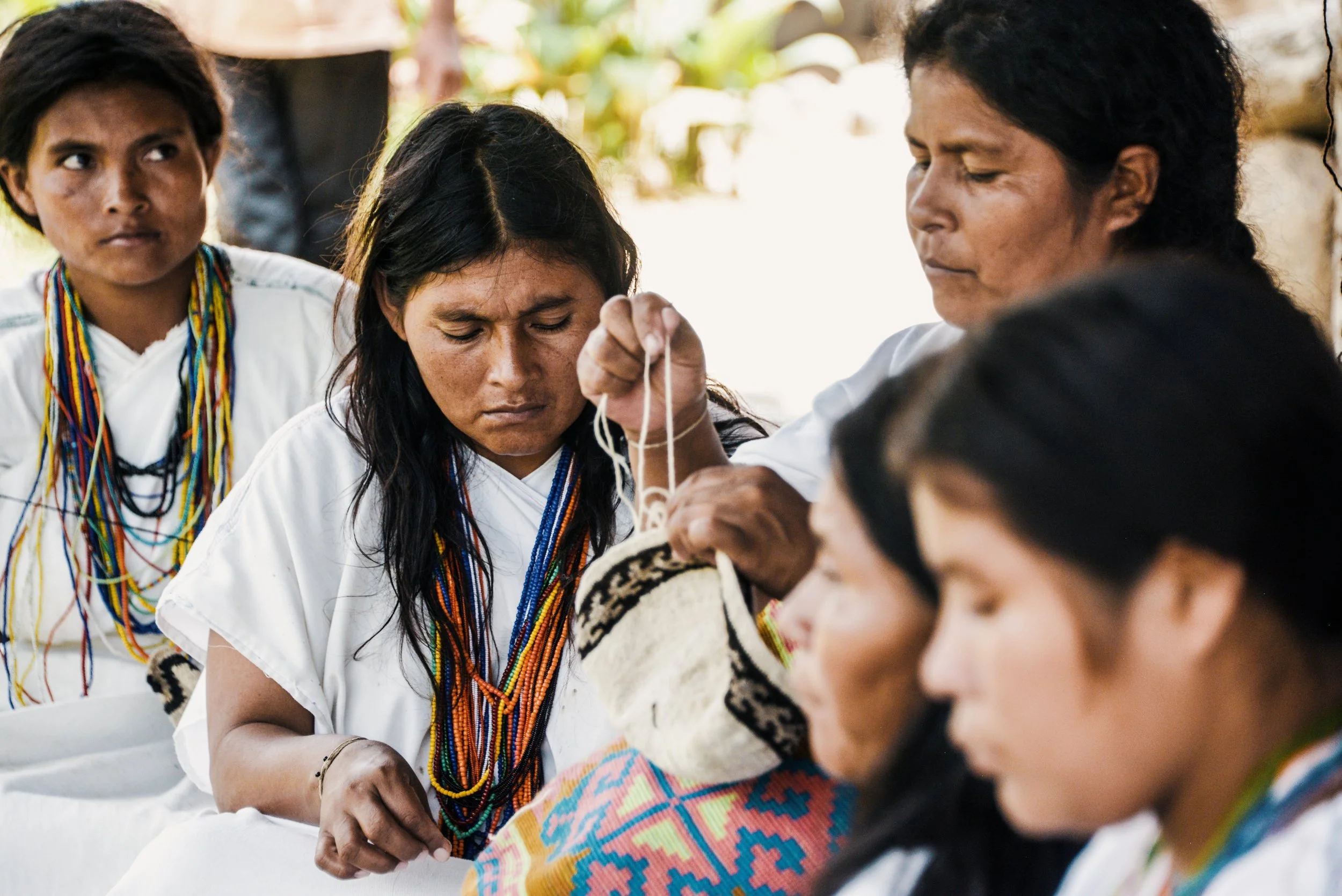
In the Sierra Nevada de Santa Marta, in the Greater Colombian Caribbean, a UNESCO Biosphere Reserve since 1979, the Kogui, Arhuaco, Wiwa, and Kankuamo peoples share aspects of their culture only with the authorization of their own authorities, on their own terms.
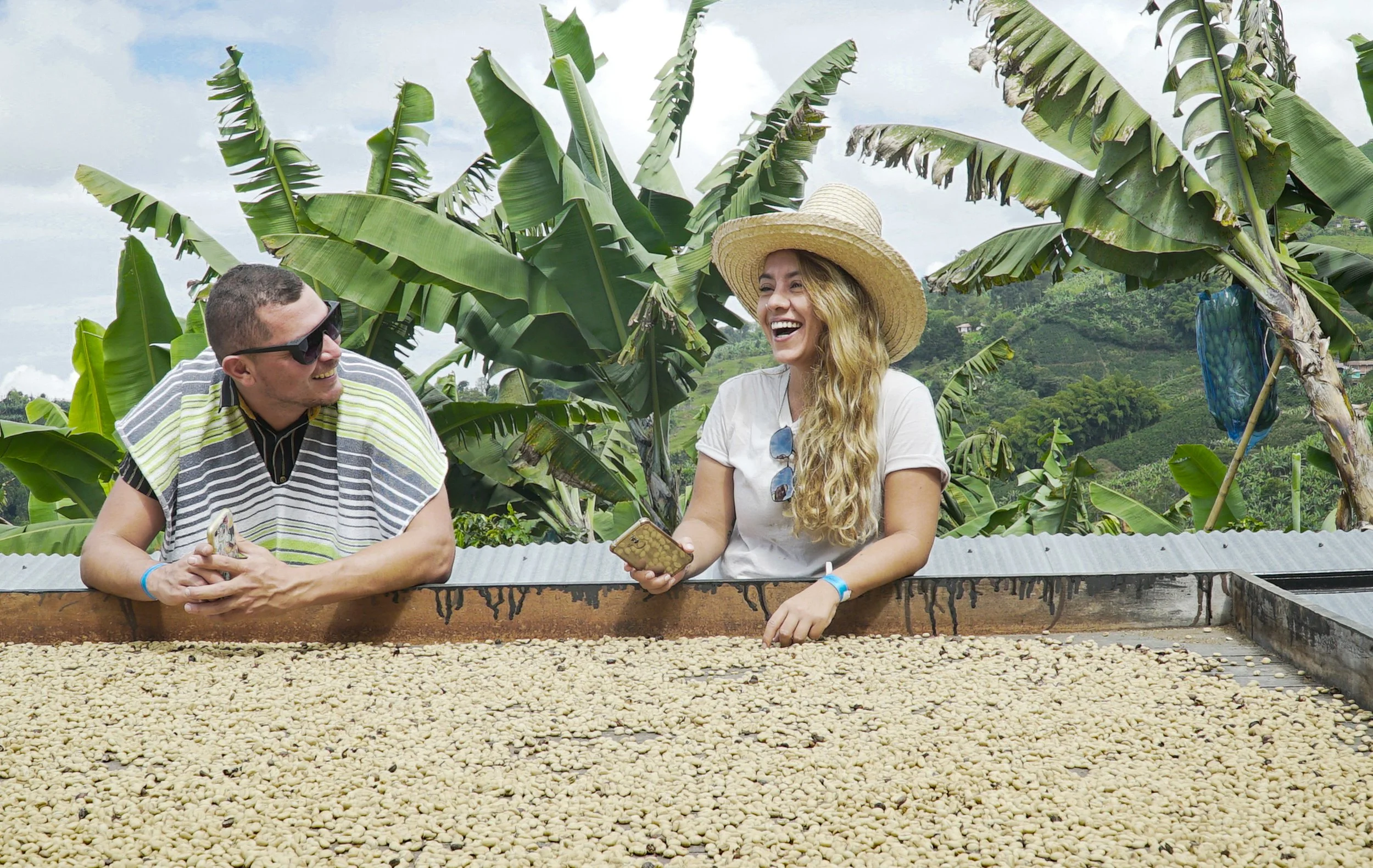
In Jardín, Antioquia, in the Western Colombian Andes, campesino families open their coffee farms to travelers and host birdwatchers drawn by more than 300 recorded species. In Putumayo (in the Amazon Orinoco region), Inga, Kamëntsá, Siona, and Cofán communities have built experiences around ancestral gastronomy, traditional medicine, and cultural knowledge, strengthening their identity while generating income for new generations.
The private sector shows that community-based tourism is commercially viable. Organizations operating under this model connect travelers with local communities while directing a substantial share of tourism revenue to local hosts and organizations. This approach can generate significant economic benefits for communities, engage thousands of travelers, support hundreds of local hosts, and contribute to the conservation of natural and cultural resources.
This community-centered model also matches where traveler demand is heading. Colombia is seeing growth in multi-destination travel, with visitors combining its six tourism regions, from the Greater Colombian Caribbean and the Andes to the Pacific, the Massif, to the Amazon–Orinoco, in a single journey. Travelers are increasingly choosing destinations with verified sustainable practices and seeking experiences that benefit local communities and protect ecosystems. For the travel trade, the message is clear: community-based and nature-positive experiences are no longer a niche add-on in Colombia, they are precisely what a growing share of travelers is asking for.
Built on Alliances, Sustained by Trust
None of this happens spontaneously. Colombia's institutions work in coordination: the Ministry of Trade, Industry and Tourism and ProColombia provide training and international promotion; FONTUR, the national tourism fund, finances infrastructure; National Natural Parks integrates communities into ecotourism in protected areas; and ANATO, the Colombian association of travel agencies and tour operators, connects community enterprises with buyers at international trade shows. Each partner fills a gap no single actor could cover alone.
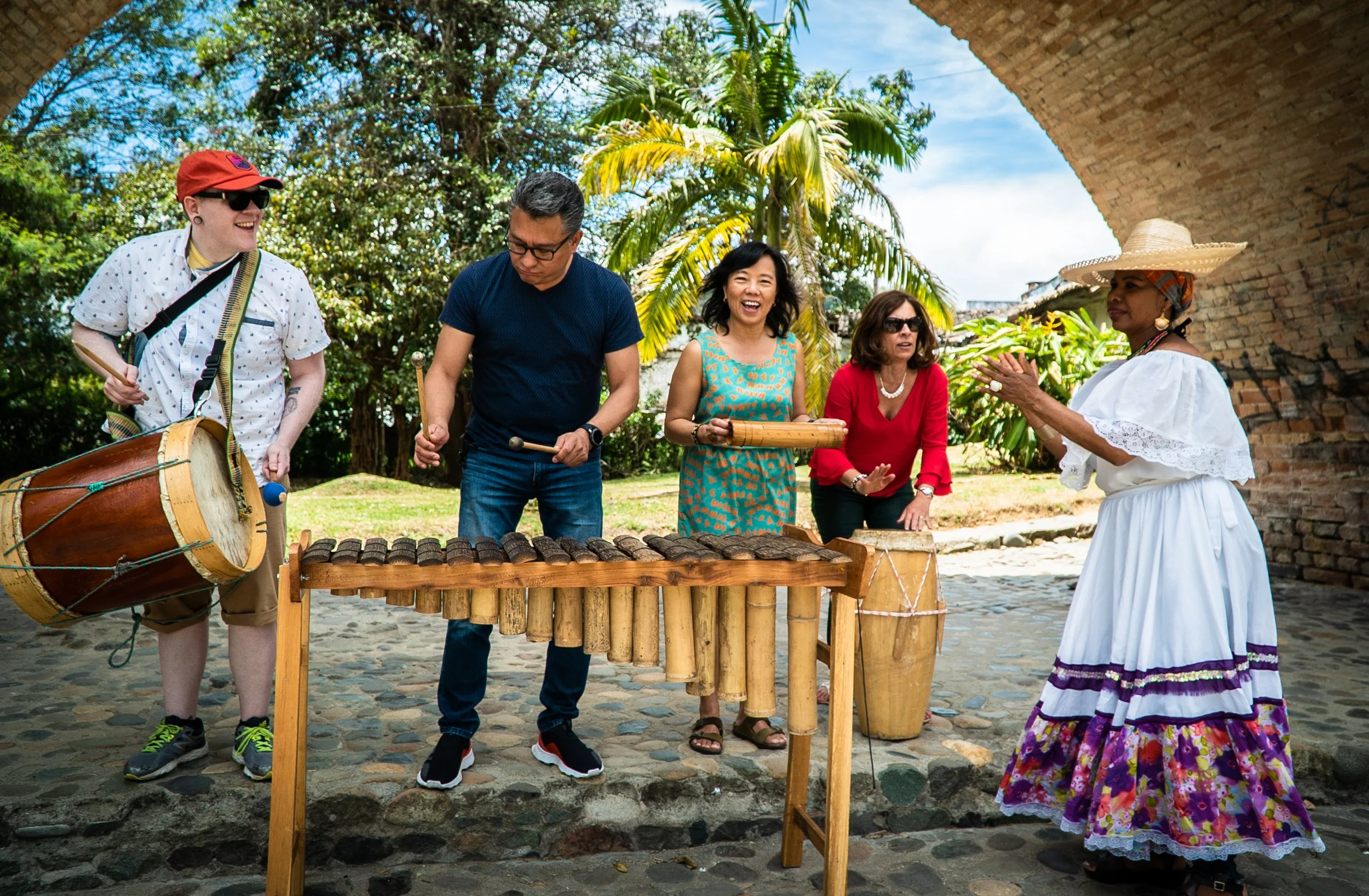
These alliances extend beyond Colombia's borders. ProColombia's longstanding collaboration with Tourism Cares reflects a shared conviction that tourism's greatest assets are people and the planet. Together, the two organizations developed the Meaningful Travel Map of Colombia, a curated guide connecting the industry with vetted, community-led experiences, and co-hosted the Meaningful Travel Summit in Medellín, where global tour operators witnessed firsthand how tourism can become a conduit for peace and dignified livelihoods.
ProColombia also ensures that no tour operator or travel advisor does this work alone. The agency equips the industry with digital campaigns promoting respect for communities, culture, and the environment; the Sustainable Tourist Guide in Colombia, with recommendations on responsible behavior, consumption, and conservation; and ongoing training, guidance, and direct connections to community enterprises.
Selling community-led tourism well requires preparation, and a few principles make the difference: respect community capacity and the scale each community can sustainably host; work through established local organizations so benefits are distributed equitably; seek authorization from Indigenous authorities where required; and prepare travelers before they arrive. A well-prepared visitor protects both the experience and the host.
Join the Journey
Colombia's message to the industry is ultimately an invitation. The country has seen tourism transform its regions, its communities, and its place in the world and it believes this transformation is only beginning. Partners don't have to start from scratch: the Meaningful Travel Map offers a ready path to community-rooted experiences, and ProColombia stands ready to support operators in building responsible itineraries. By trusting Colombia, visiting it, and offering travelers meaningful experiences, partners do more than sell a destination, they join a journey in which tourism creates lasting value for residents, protects extraordinary natural and cultural heritage, and proves that travel, done with care, can profoundly change places for the better.